About the programme

Built by people who know the sector, and walk the talk

The High Performing Teams Leadership Programme runs once a year as a joint venture between three experienced facilitators, with support from a Canterbury farm leader.

Our approach

Serious content, relaxed setting

We bring the best of leadership and team development thinking, and deliver it in a way that is easy to take in and use. The programme is grounded in research by the NZ Rural Leadership Trust and draws on years of hands-on experience in New Zealand farming businesses.

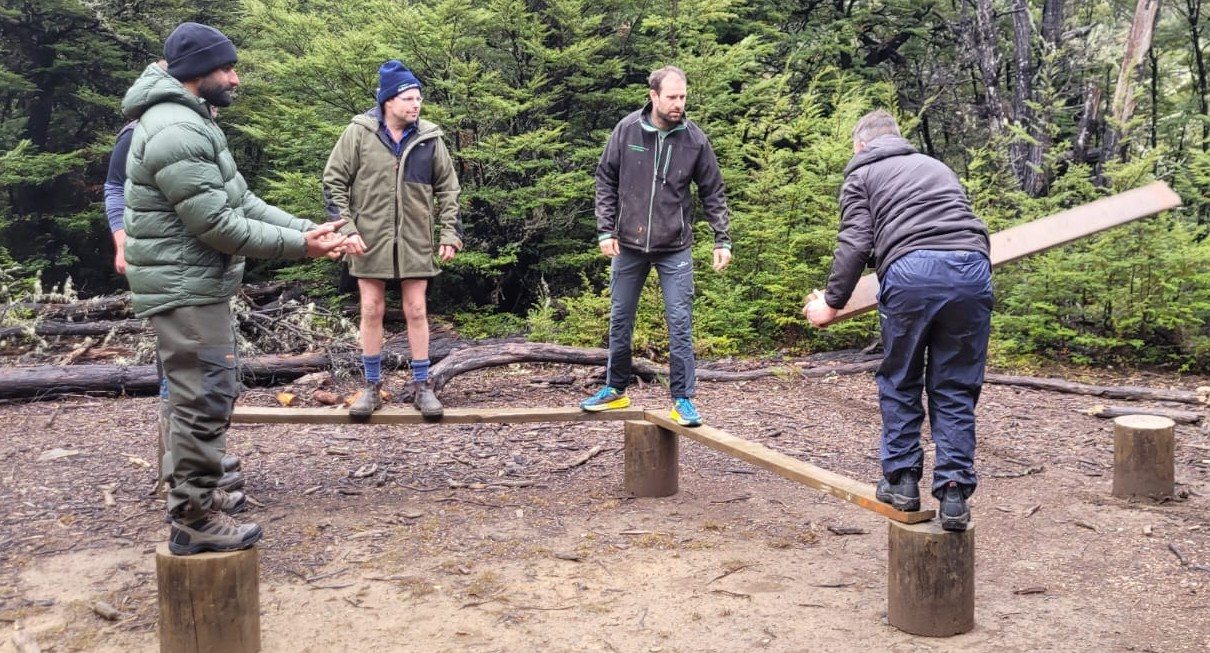
The learning happens in a comfortable rural setting, among people who understand the work. Trust builds quickly, which makes room for honest conversations about what’s going well and what isn’t. Outdoor activities are low risk, high challenge and good fun, and they give practical people a way to learn by doing.

The facilitators work as a team, so participants get to see high performing teamwork in action, not just hear about it.

Participants on an outdoor teamwork activity among native trees
What makes it different

Four things you won’t find in most leadership courses

Skills for Monday morning

Tools and approaches participants can use straight away in day-to-day team leadership, on farm or in the office.

A team of facilitators

Participants watch a high performing team in action, and get a range of perspectives from people with different backgrounds.

More coaching

More facilitators per participant than most programmes, so there is time for one-to-one coaching on specific or personal challenges.

Real depth

With careful facilitation, people feel safe to be open. That is where the real learning happens, and it is often what participants value most.

The team

Your facilitators

This might explain why the programme is a bit different.

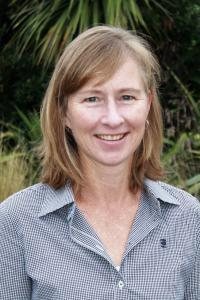
Portrait of Sarah Watson

Sarah Watson

Co-facilitator · People MAD

Sarah started contract milking in Southland straight out of university in 1989. That led to roles across agriculture and horticulture leading teams and managing HR for businesses. She is passionate about growing leadership and management capability in the sector.

Highlights include developing FarmTune, DairyNZ’s lean management programme, and delivering sector-relevant leadership training and coaching. Just for fun, she rides big horses through the South Island high country when she can.
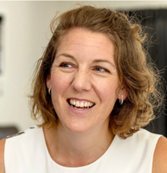
Portrait of Dr Ellen Joan Ford

Dr Ellen Joan Ford

Co-facilitator

Ellen is an award-winning leader, Army veteran, researcher, international speaker, business owner and parent. She wrote #WorkSchoolHours and co-authored the food and fibre sector leadership project.

She has received the Sir Peter Blake Leadership Award and was named New Zealander of the Year – Local Hero. Ellen draws on lived experience and research to build inclusive leadership and thriving workplace cultures through belonging, autonomy and purpose.

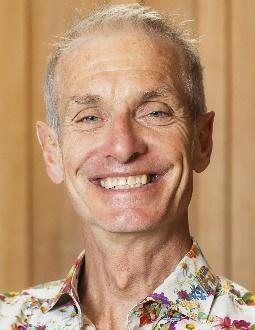
Portrait of Jon Lasenby

Jon Lasenby

Co-facilitator · Maranga

Jon is an international sailor, outdoor adventurer and lifelong educator, with nine years of mahi for Outward Bound Aotearoa. He is currently completing a doctorate in climate leadership, because responding well to climate change is on every leader’s to-do list.

In this programme Jon holds the space for deep trust and manaakitanga, and runs the short, practical outdoor activities that ground the group in nature and keep it real.

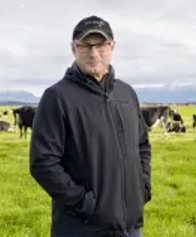
Portrait of Stuart Taylor standing in a paddock with cows behind

Stuart Taylor

GM Farming · Craigmore Sustainables

Stuart is GM Farming at Craigmore Sustainables and supports the programme. He is based in Canterbury, where he also runs an 800-cow family farm. He leads with a people-first approach, championing practical solutions for New Zealand farming and the development of strong on-farm leaders.

Under his leadership, Craigmore trialled innovations such as methane-reducing probiotics and EcoPond effluent treatment, earning the 2022 Fonterra Responsible Dairying Award. He is active in national sustainability networks.

Learning outcomes

What participants work towards

Participants rate themselves against these outcomes at the start and revisit them through the programme.

Understanding leadership

  • How leadership works in food and fibre, and how it is developed
  • Self-awareness: values, personality, and how you handle emotion
  • A clear view of strengths, a development pathway and support

People skills

  • Empathy, care and connection, and dealing with emotion
  • Setting expectations, delegating, coaching and accountability
  • Difficult conversations, conflict and managing performance

Strategy and culture

  • Using culture and strategy as leadership tools
  • Linking business strategy to work on the ground through planning
  • Assessing current culture, defining the culture you want, and shifting it

A high performing leadership team

  • What high performing teams look like: purpose, trust, accountability and norms
  • How to build them with peers and with direct reports
  • Better cohesion and results within the cohort itself

Wider influence

  • A positive influence on the business as an effective team
  • Ways to influence the wider food and fibre sector
  • Role-modelling good, shared approaches to running farm businesses
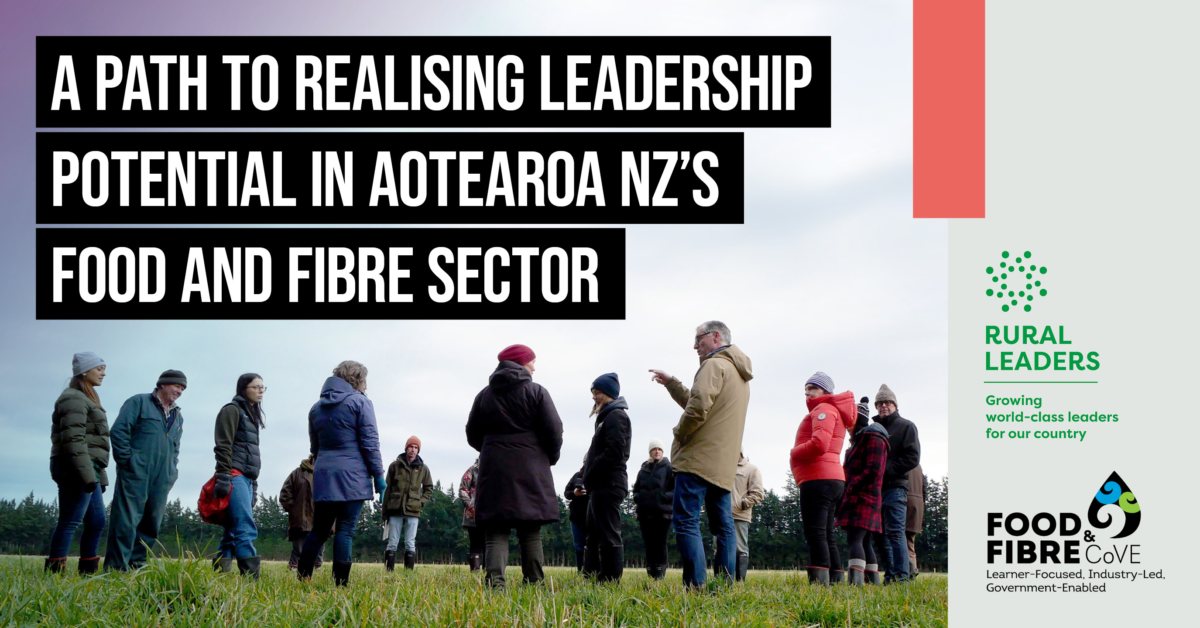
Cover of A Path to Realising Leadership Potential in Aotearoa NZ’s Food and Fibre Sector, published by Rural Leaders
Core resource

Grounded in sector research

The programme draws on A Path to Realising Leadership Potential in Aotearoa NZ’s Food and Fibre Sector. The 2024 sector-wide leadership book was published by Rural Leaders, commissioned by the Food & Fibre Centre of Vocational Excellence (CoVE), and co-authored by programme facilitators.

Delivered in partnership by:

Maranga People MAD – People Management and Development Ellen Joan Ford – Belonging, Autonomy, Purpose

Thinking about the ?

Places are limited to 14. Get in touch for dates, a flyer, or a chat about whether it suits your team.